Expert Diesel Engine Maintenance Solutions: Keep Your Engine Running Smoothly
Specialist diesel engine maintenance services hold significant importance in maintaining engine efficiency and dependability. Proficient technicians implement advanced diagnostic tools to uncover issues before they escalate. Preventive maintenance not only boosts performance but also lengthens the engine's working life. Spotting the signs that reveal your engine requires attention is crucial. Because routine problems can surface without notice, knowing remedies can save money and effort. What should one review when pursuing expert assistance?
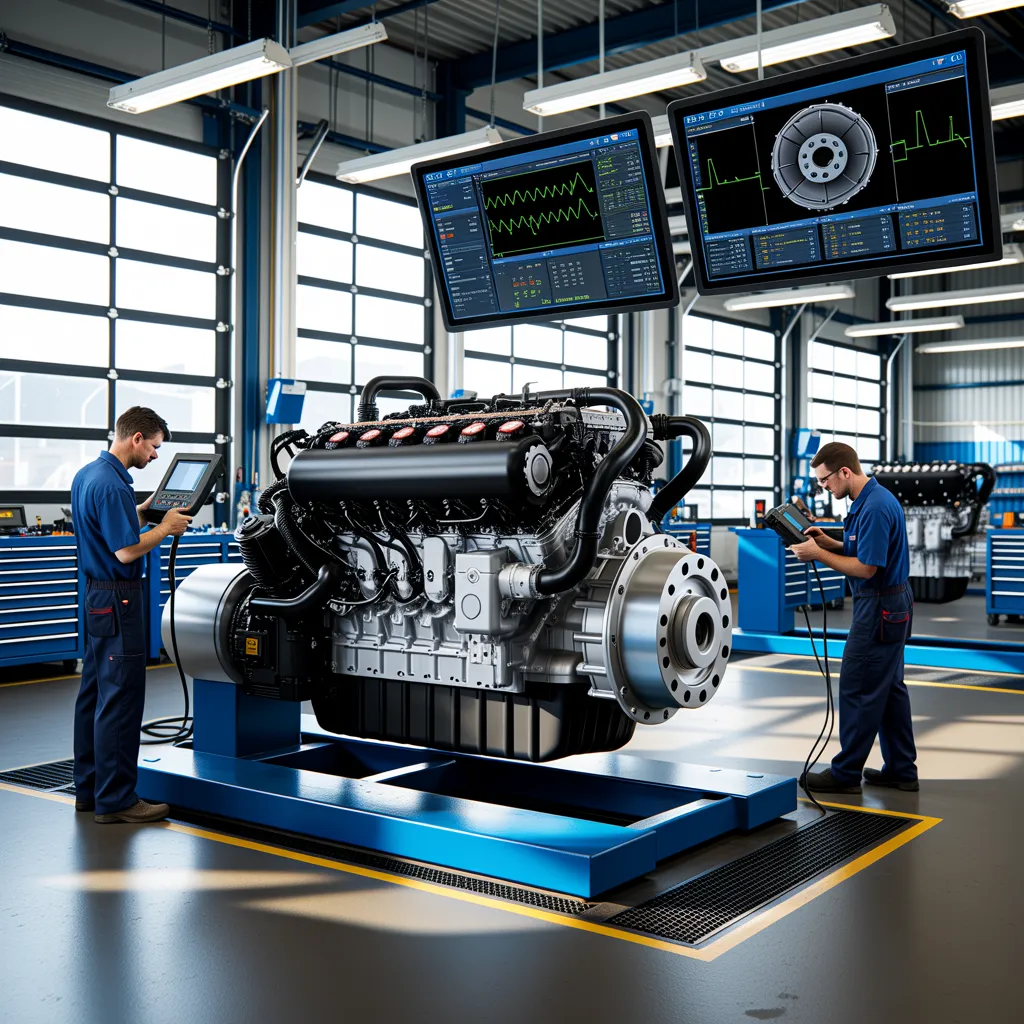
Determining When Your Diesel Engine Needs Attention?
How can someone decide when a diesel engine requires attention? There are several signs that a diesel engine might need repairs. Unusual sounds, like knocking or hissing, often indicate internal problems. Excessive smoke from the exhaust—especially black, blue, or white—can signal fuel inefficiency or oil leaks. A noticeable decline in performance, such as reduced power or stalling, indicates issues that need immediate inspection. Keeping an eye on fluid levels is crucial; low oil or coolant may show leaks or other concerns. Also, a warning light illuminated on the dashboard should never be ignored since it means a detected malfunction in the engine management system. Finally, any changes in fuel consumption can be another warning sign. Early recognition of these signs can help avoid further damage and preserve the engine's lifespan.
The Significance of Regular Diesel Engine Upkeep
Regular diesel engine upkeep is crucial for ensuring peak performance and longevity. Routine checks and maintenance help to identify potential problems before they escalate into expensive damage. Keeping the engine clean, changing the oil frequently, and examining filters are important steps that improve efficiency and reduce emissions. In addition, checking fuel quality and preserving the cooling system prevent overheating and boost overall reliability.
Overlooking care can trigger lower fuel efficiency and increased wear on engine components, ultimately decreasing the engine's lifespan. Regular inspections also present opportunities to modify software or make necessary refinements to optimize performance. Moreover, adherence to a maintenance schedule helps maintain warranty coverage and guarantees compliance with environmental regulations. By prioritizing regular diesel engine maintenance, owners can enjoy a more productive, powerful, and stable engine, aiding in lower operational costs and minimized downtime.
Why Professional Diesel Engine Service Services Matter
Professional diesel engine repair solutions are crucial in providing accurate diagnostics and efficient solutions. By addressing issues promptly, they help prevent costly breakdowns that can interrupt operations. Additionally, their expertise contributes to enhancing the overall longevity of diesel engines, safeguarding investments over time.
Skill Provides Proper Assessment
When a diesel engine presents with issues, the importance of professional diagnostics cannot be minimized. Skilled mechanics possess the knowledge and instruments necessary to accurately identify challenges that may not be immediately apparent. Their proficiency empowers them to interpret sophisticated data from diagnostic equipment, ensuring that the source of the challenge is pinpointed rather than simply managing surface-level symptoms. This thorough approach cuts down on the possibility of incorrect assessment, which can lead to unwarranted maintenance and extended downtime. Furthermore, expert diagnostics adds to to a more efficient maintenance process, allowing for rapid and beneficial remedies. In conclusion, placing trust in on professionals not only improves motor performance but also preserves the longevity and reliability of the diesel engine, making it an essential aspect of care.
Stops High-Cost Malfunctions
Preventing costly failures is a primary advantage of using expert diesel engine repair services. These specialists have the knowledge and background to detect possible issues before they develop into major problems. Regular upkeep, performed by skilled technicians, guarantees that engines operate efficiently, decreasing the likelihood of unexpected failures. By addressing small repairs promptly, professional services reduce risks associated with extensive damage, which can lead to costly repairs and extended downtime. Additionally, expert diagnostics help in comprehending the engine's specific needs, enabling customized solutions that enhance performance. Investing in such services ultimately safeguards against the monetary strain that unexpected breakdowns can impose, ensuring that operations remain continuous and costs are kept in check.
Improves Engine Longevity
Employing expert diesel engine repair solutions not only staves off costly breakdowns but also significantly improves engine discover the information longevity. Skilled technicians have specialized knowledge and tools to identify and address potential problems before they escalate. Consistent maintenance, including oil changes and filter replacements, ensures optimal performance and decreases wear on engine components. Additionally, these services typically incorporate advanced diagnostic techniques that locate inefficiencies or malfunctions that could otherwise be overlooked. By tackling problems early, diesel engine repair specialists can greatly extend the operational life of the engine. This preventive approach cultivates reliability and efficiency, ultimately leading to reduced operational costs over time. Fundamentally, investing in expert repair services is a strategic decision for those seeking long-lasting performance from their diesel engines.
Significant Diesel Engine Complications and How to Resolve Them
Within the domain of diesel engines, various common problems can block performance and efficiency. Grasping these problems, combined with establishing preventative maintenance and effective repair techniques, is crucial for optimal operation. This examination will emphasize key challenges and solutions for maintaining diesel engine reliability.
Common Diesel Engine Problems
Diesel engines, recognized for their durability and efficiency, can encounter a variety of issues that may hinder performance. One common problem is contaminated fuel, which can lead to inadequate burning and reduced power. Additionally, failed injectors is a frequent issue, often causing misfiring or rough idling. Another concern is overheating, typically due to leaking coolant or a malfunctioning thermostat, which can severely damage engine components. Restricted air intake, such as clogged filters, can limit airflow and decrease efficiency. Finally, excessive exhaust smoke may signal partial combustion, often associated with damaged piston rings or defective valves. Tackling these problems quickly is essential to maintaining the best engine operation and longevity.
Preventive Maintenance Best Practices
To preserve a diesel engine's functionality, regular preventative maintenance practices are necessary to mitigate common complications. Performing routine oil changes is important, since clean oil guarantees proper lubrication and reduces wear. Regular checking and replacing of fuel filters prevents clogging that may damage engine performance. It's also essential to monitor coolant levels and confirm the cooling system works effectively to avoid overheating. Furthermore, inspecting and maintaining the air intake system is crucial for optimal combustion. Frequent examination of belts and hoses for wear prevents unexpected failures. Lastly, conducting periodic diagnostics helps identify potential problems early, enabling timely intervention and reducing costly repairs. Following these steps promotes engine longevity and dependability.
Repair Techniques Summary
Spotting and handling recurrent diesel engine troubles is imperative for sustaining superior performance and longevity. Recurrent concerns include fuel system defects, overheating, and excessive exhaust discharge. Sound fixing techniques usually include system diagnostics to identify the root cause, followed by focused fixes like replacing fuel injectors or cleaning fuel filters. Overheating can be mitigated by verifying coolant amounts and inspecting the radiator, while exhaust troubles may require the replacement of the catalytic converter. Planned maintenance, encompassing oil changes and air filter replacements, can prevent many concerns from developing. By applying these repair strategies, diesel engine owners can enhance trustworthiness and performance, in turn lengthening the life of their engines.
Selecting the Leading Diesel Engine Repair Shop
When looking for the perfect diesel engine repair shop, one must consider multiple factors that can greatly impact the quality of service. First, the shop's standing is essential; online feedback and testimonials can shed light on previous customer experiences. In addition, the credentials and experience of the technicians are crucial, as skilled professionals can accurately diagnose and fix issues.
The accessibility of contemporary tools and systems also is crucial in effective repairs. A well-equipped shop is likely to handle repairs quickly and precisely. Moreover, transparency in pricing and the clarity of service warranties can suggest a reliable business.
To summarize, proximity with the customer's location may improve practicality, most notably in emergencies. By carefully evaluating these features, clients can make prudent choices when determining on a diesel engine repair shop that meets their distinct requirements.
Methods for Extending the Lifespan of Your Diesel Engine
Several uncomplicated habits can considerably increase the lifespan of a diesel engine. Consistent maintenance is critical; sticking to the manufacturer's service plan ensures regular oil service and filter changes. Choosing high-quality fuel can also yield a significant effect, as it minimizes the chance of injector deposits and improves combustion efficiency.
Checking engine heat is crucial. Overheating conditions can lead to serious damage, so sustaining sufficient coolant levels and resolving any leaks promptly is essential. Also, maintaining the intake air mechanism prevents particles and dirt from accessing the engine, which can result in mechanical wear.
Driving tendencies matter too; refraining from prolonged idling and quick acceleration helps cut down on strain on the engine. In conclusion, investing in a credible diagnostic tool allows for early problem detection, supporting proactive efforts that prevent pricey repairs. By following these strategies, diesel engine owners can maintain their engines' reliability and efficiency for years to come.
Frequently Requested Questions
How do I track down a reputable Diesel Engine Technician?
To find a qualified diesel engine technician, one should seek recommendations, read internet feedback, confirm credentials, and inquire about experience with specific engine types. Comparing multiple candidates guarantees selecting the most experienced professional for the job.
What Tools Do I Need for Basic Diesel Engine Maintenance?
For basic diesel engine upkeep, necessary instruments include wrenches, screwdrivers, pliers, oil filters, a multimeter, a fuel pressure gauge, and a torque wrench. These instruments help guarantee effective upkeep and troubleshooting of diesel engines.
Am I capable to perform My Own Diesel Engine Repairs?
Yes, one can complete their own diesel engine repairs with the suitable tools, technical skill, and preventative measures. However, challenging issues may warrant professional intervention to secure peak performance and circumvent further mechanical damage.
How often Should I Assess My Diesel Engine's Oil Volume?
Inspecting a diesel engine's fluid amounts every 5,000 to 7,500 miles is suggested. Frequent inspections assure optimal functioning and avert potential deterioration, facilitating timely service and enhancing the engine's longevity and effectiveness.
What Clues Suggest a Faulty Diesel Fuel Injector?
Common symptoms of a malfunctioning diesel fuel injector consist of rough engine idle, decreased fuel efficiency, excessive smoke from the exhaust, engine misfires, and a noticeable increase in engine noise during operation. Regular checks are advisable.